
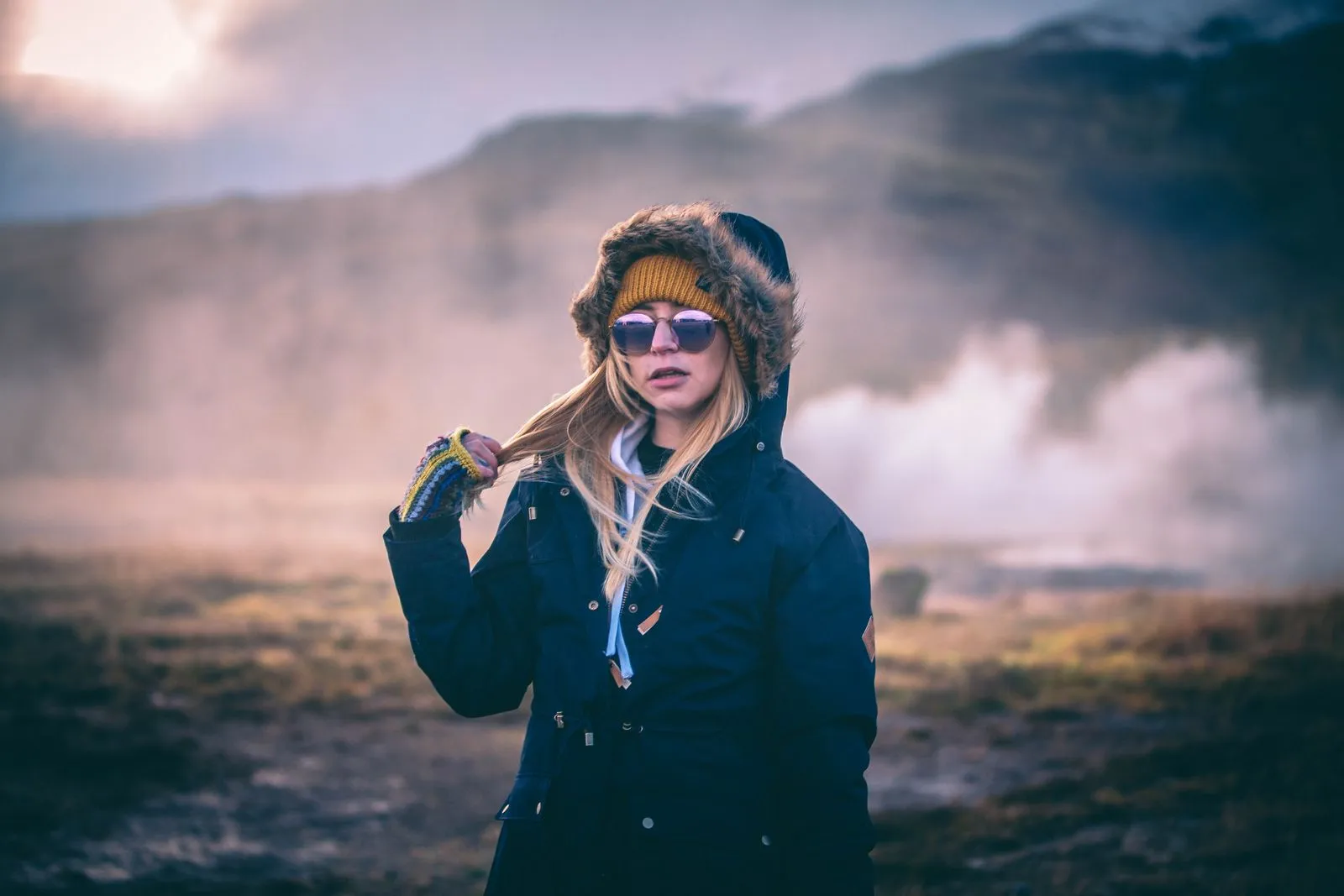
Cold-weather comfort depends on more than wearing a heavy coat. While you move, your body creates heat; when you stop, damp clothing and wind can make you feel cold quickly. A layering system lets you adjust as conditions and effort change. Start with a layer that manages moisture, add insulation to hold warmth, and use a shell to block wind or precipitation. The right combination keeps you comfortable without carrying more clothing than you need.
Start With a Moisture-Managing Base
The base layer sits next to your skin and helps move sweat away from it. Choose a close-fitting top and bottom that allow comfortable movement. Synthetic fabric dries quickly, while merino wool can provide warmth even when damp. Avoid cotton for active cold-weather outings: it holds moisture and dries slowly, which can leave you chilled when you reduce your pace.
Match the base layer’s weight to the conditions and your effort. A lightweight option often works well for uphill travel or milder weather; a midweight layer may suit colder days or slower activities. If you tend to overheat, start with less insulation and bring an extra layer for breaks. You should be able to move freely without the fabric bunching or restricting your stride.
Add Insulation for Warmth
The insulating layer traps warmth while still allowing moisture to escape. Fleece, wool, and synthetic insulated jackets are common choices. A fleece works well when you are moving steadily and conditions are dry. A synthetic insulated layer can be useful in damp weather, while down offers warmth with low bulk but loses much of its insulating ability when wet.
Think about your pace, exposure, and stops when choosing insulation. For a strenuous climb, a light layer may be enough while you move, with a warmer jacket packed for rest breaks. For a slower outing, you may want more insulation from the start. Make sure the layer fits over your base without compressing it, since tight layers can limit warmth and movement.
Use a Shell to Block Weather
A shell protects the layers underneath from wind, rain, and snow. A wind-resistant shell can help on dry, exposed days, while a waterproof shell is better for sustained precipitation. Breathability matters during hard effort: if sweat builds up inside, your other layers can become damp. Open vents, such as underarm zippers, and adjust the front zipper as you heat up.
A shell should fit over your insulating layer without pulling at the shoulders or restricting arm movement. Check that the hood adjusts over the headwear you plan to use, and that cuffs and hems help keep drafts out. No shell manages moisture perfectly in every condition, so pace yourself and open vents before you become sweaty rather than waiting until you feel overheated.
Adjust as Conditions Change
Layering works best when you adjust early. Before a steep climb, remove or open a layer to avoid sweating heavily. When you stop, put insulation back on promptly; your body produces less heat when you are resting. Keep an extra warm layer dry in your pack, protected from snow or rain, and bring clothing suited to the forecast and the length of your outing.
Before heading out, test your layers together at home: walk, bend, reach, and check for tight spots. Carry a hat and gloves because exposed areas can lose comfort quickly, and keep spare dry socks available for longer trips. Northbound Gear can help you compare layer options for your planned conditions and activity. Choose pieces you can adjust easily, then check the weather before you go.
A useful cold-weather system combines a moisture-managing base, insulation for warmth, and a shell for protection. Choose each layer for your pace and conditions, then adjust before sweat or chill becomes a problem. Check the forecast, pack a dry backup layer, and ask a gear shop for help comparing options for your next outing.